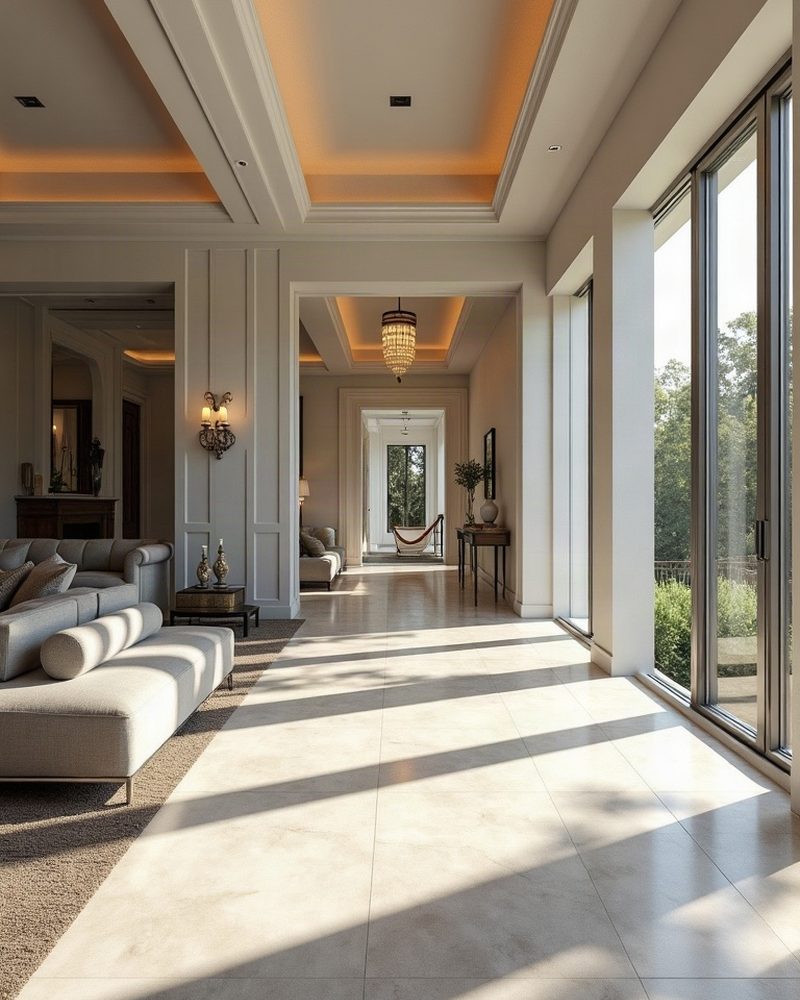
Dacula GA is more than a place on the map. It is a market shaped by strong community schools, steady local development, commute corridors, and the kind of neighborhood character buyers look for year after year. Whether you are considering buying or selling a home in Dacula, understanding the specific, repeatable actions that create and preserve value will help you make confident decisions today and in the years ahead.
Know where value is anchored
Not all blocks in Dacula perform the same. Value anchors include proximity to well-ranked Gwinnett County schools, easy access to major routes, mature landscaping and low-turnover sections of town. When comparing homes, weigh location features that matter to future buyers as well as you: walkability to parks, lot size, backyard privacy, and visible maintenance of neighboring homes.
Make small investments that matter
Big renovations are not always necessary to win offers. In Dacula, focused updates deliver consistently high returns: fresh exterior paint, updated lighting, a modern front door, and staged outdoor living areas. Inside, neutral paint, updated flooring in high-traffic areas, and a modernized kitchen countertop or hardware can change buyer perception without a large budget.
Price with precision and local comps
Comparative market analysis matters more here than blanket regional pricing. Recent sale prices in your neighborhood, days on market, and the condition of comparable homes will determine realistic pricing. Sellers who price strategically often attract multiple qualified buyers. Buyers who study local comps can spot fair offers and structure contingencies that protect value.
Timing and seasonality in Dacula
While the broader market swings, Dacula still follows seasonal patterns that influence visibility and buyer demand. Spring brings more active buyers, but preparing a home for peak showings in any season — decluttered, cleaned, with professional photos — shortens days on market. Buyers who are preapproved and ready can take advantage of lower competition in off-peak months.
Understand inspections, disclosures and repair expectations
Local inspectors and lenders set the rhythm of transaction timelines. Sellers who proactively address known issues and provide clear disclosures build buyer trust and can often command stronger offers. Buyers should budget for typical repairs and factor home inspection findings into negotiation strategy rather than walk away from every issue.
Know the neighborhood levers that influence resale
Amenities like nearby shopping, community events, and walking trails increase desirability. Planned public works or new commercial development can raise values over time, but also consider short-term construction impacts. Research zoning plans, school boundary changes, and nearby projects before making a long-term decision.
Leverage smart marketing for sellers
Professional photography, targeted online listings, and neighborhood-specific descriptions attract the right buyers faster. Highlight what is uniquely Dacula about your property — wooded lots, large yards, community parks — and include measurements and features that appraisers and serious buyers need.
Buyers use inspections to create leverage
A thorough inspection is a negotiation tool. When inspection finds repairs, evaluate cost, timeline, and how those items affect value. Ask sellers for reasonable fixes or credits. In competitive markets, consider stronger offers with inspection contingencies that still allow pausing if major issues appear.
Plan for total cost of ownership
Beyond mortgage and insurance, examine property taxes, HOA fees, utilities, and routine maintenance. These ongoing costs influence what buyers can afford and what a seller can realistically ask. Sellers who can share a simple summary of recent utility averages and maintenance history ease buyer concerns.
Long term thinking for both buyers and sellers
Buyers seeking appreciation should prioritize quality of location and durable home features over trendy finishes. Sellers aiming for top dollar should focus on curb appeal, eliminating deferred maintenance, and marketing to the right demographic. Homes that are easy to maintain and fit the neighborhood
